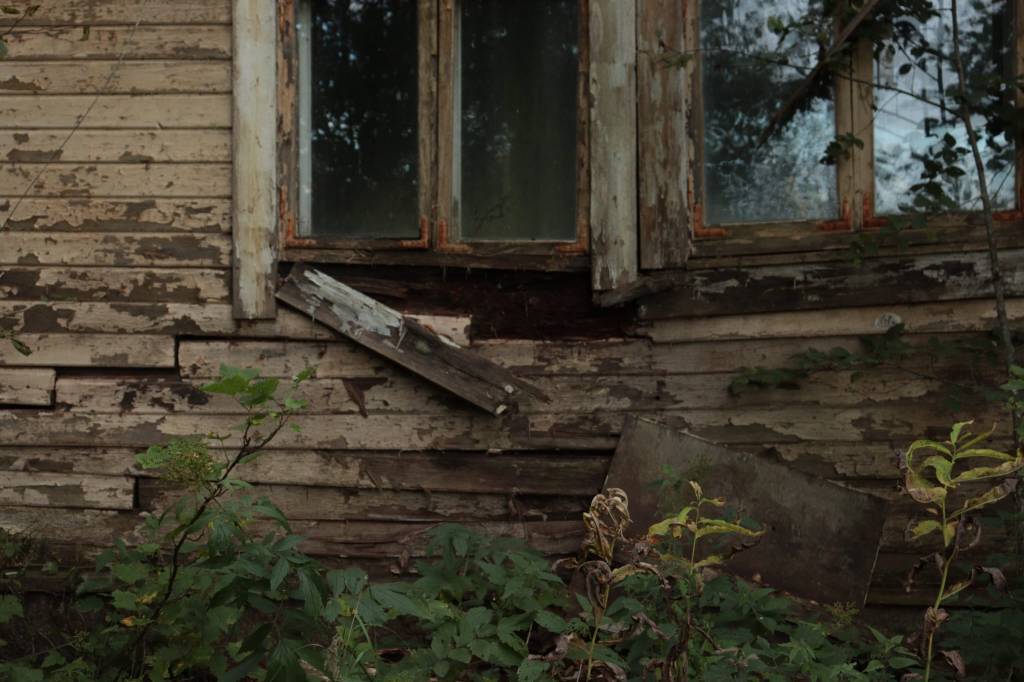
Behind the collectively shared outlook of nostalgia is especially the consciousness of time as always going forward, of progress, that arose with the Enlightenment, i.e. with modernity. In modernity, the past became ruptured from the present due to the rapid progress that characterises modernity. In other words, the past became a foreign country. Yet the present was no better, for it was always in the act of changing into something unknown. Thus, the present became a meaningless ground of change, run quickly across towards the future where things unimagined were awaiting. With modernity, the present became essentially nihilistic, devoid of value.
In such a state of devaluation of values, nostalgia had an unending repository of victims upon which to prey on. Like Count Dracula, nostalgia arose from the grave of the past to feed upon lonely and rootless souls in the bitter watches of the night of the present, when all life seemed devoid of meaning and without a hope for the future. Yet unlike the Count, nostalgia was not beheaded and got rid of, but nurtured. Nostalgia then grew strong unnoticed, infiltrating modern society and becoming an insidious part of it, like the spirit of Dracula, which in perishing passed onto Mina and Jonathan Harker’s son via the Counts blood, which Mina was made to drink. Just like Mina, in unwillingly drinking from the night itself, we have become the offspring of the children of the night, not knowing what to do with the present but to feed upon it for continued existence, for a future that is as undead as the past.
The present has thus become a sort of a procreation of the wicked, where the spirit of the departed Count is kept alive by immersion in nostalgic longing for the past, forgetting its passing nature as a feeling. This is the nature of nostalgia as an outlook, of immersing oneself in longing and not recognizing nostalgia’s passing nature.

 Imaginations
Leave a comment