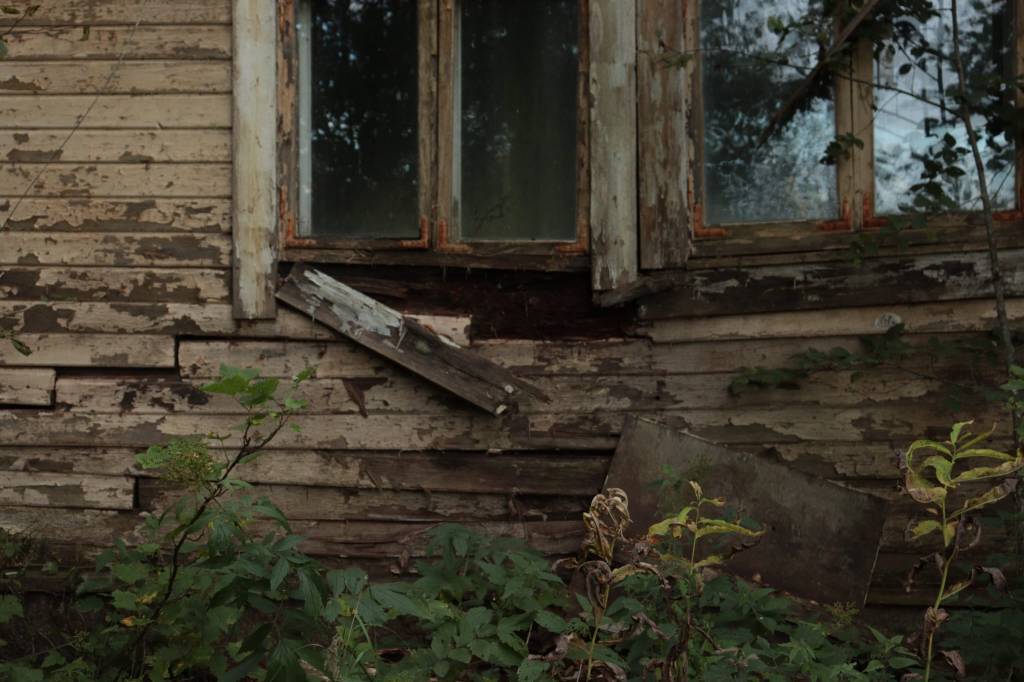
Nostalgic vampirism

Behind the collectively shared outlook of nostalgia is especially the consciousness of time as always going forward, of progress, that arose with the Enlightenment, i.e. with modernity. In modernity, the past became ruptured from the present due to the rapid progress that characterises modernity. In other words, the past became a foreign country. Yet the present was no better, for it was always in the act of changing into something unknown. Thus, the present became a meaningless ground of change, run quickly across towards the future where things unimagined were awaiting. With modernity, the present became essentially nihilistic, devoid of value. 

In such a state of devaluation of values, nostalgia had an unending repository of victims upon which to prey on. Like Count Dracula, nostalgia arose from the grave of the past to feed upon lonely and rootless souls in the bitter watches of the night of the present, when all life seemed devoid of meaning and without a hope for the future. Yet unlike the Count, nostalgia was not beheaded and got rid of, but nurtured. Nostalgia then grew strong unnoticed, infiltrating modern society and becoming an insidious part of it, like the spirit of Dracula, which in perishing passed onto Mina and Jonathan Harker’s son via the Counts blood, which Mina was made to drink. Just like Mina, in unwillingly drinking from the night itself, we have become the offspring of the children of the night, not knowing what to do with the present but to feed upon it for continued existence, for a future that is as undead as the past. 

The present has thus become a sort of a procreation of the wicked, where the spirit of the departed Count is kept alive by immersion in nostalgic longing for the past, forgetting its passing nature as a feeling. This is the nature of nostalgia as an outlook, of immersing oneself in longing and not recognizing nostalgia’s passing nature.


One response to “Nostalgic vampirism”

  1. A poetic manifest! The text leaves slightly open how exactly nostalgia is harmful, but the text itself is well-written. Certainly, if we are talking about the “rose-tinted glasses”, the “gilded memories”, there isn’t much to defend (though, unless we speak of actually clinging to what’s gone and ignoring what’s present, there isn’t much harm either, I’d say).

    Still, there are a few exceptions I feel worth pointing out.

    First of all, the viewpoints that may seem nostalgic but really aren’t:
    1) Sometimes things really were better, and it’s good to acknowledge that in order to grow.
    2) As we grow, things may not have such impact as the things we encounter as young. This isn’t necessarily nostalgic, but simply realistic. It doesn’t mean that things were “better” before, simply that those experiences sometimes mean more.
    3) Moreover, as a somewhat creative person, what is impactful to me is the act of creating itself, and other creators are viewed as peers. The artists that influenced me are in my past, they are purposefully distant ideals – it is there that I look to find inspiration. But what is important in the present is what I am actively creating with the people around me.
    4) Sometimes, especially with culture, there simply is a certain style that one prefers which had its golden age on some specific moment in time. That’s okay. It’s okay to like something more than something else.
    5) It’s sometimes easier to have a retrospective view on trends and genres and what actually made them – or anything – valuable.

    NOW, let’s get to nostalgia.

    I think there are a few reasons why nostalgia is a valuable emotion – why it exists in us humans:
    1) Communal benefits. Something to relate to, something to share. Apes together strong.
    2) Nostalgia as a way to appreciate one’s past choices and “redeem” them. In essence, a way to string together a coherent narrative. A direction. A way to realize where you’ve gone wrong.
    3) The value of things. Yes, you shouldn’t only appreciate things once they’re gone. But maybe you’ll see an old photograph of your favorite pet, for example, and you realize what a generous soul they were, how they enriched your life, how happy you were in that moment, how you haven’t felt like that for a while, you know, maybe it’s time to change direction, maybe you should do things and view things more like the way you did at that moment?

    For example, when I think about past times with past band sessions, I am suddenly struck with how happy and creative everything was. Was I happy back then – were those good times? Not necessarily. But I begin to realize that I had all I needed and can have again. I realize that it was always about those feelings, those friends. I realize I should schedule another band session like that soon.

    In short: That 90s show may be a lazy cash grab, but while I watched it in my grungy flannel shirt, shredded jeans and The Smashing Pumpkins t-shirt, I was both being true to myself and my past but also crossing the divide between generations through the means of culture.

    Like

Leave a reply to Topi Lepojärvi Cancel reply